The Brooks Caldera 8 Ultra takes the top spot among the best chunky trail shoes thanks to its maximum-cushion midsole that absorbs long miles on rocky terrain without feeling unstable. Close behind, the Salomon Speedcross Peak Gore-Tex stands out for aggressive traction and waterproofing on muddy, wet trails, while the Saucony Excursion TR14 delivers a chunky profile at a friendlier price point. The main tradeoff in this category is between plush cushioning and ground feel — thicker soles soften impacts but can feel vague on technical terrain — and between waterproof membranes and breathability in hot weather. Fit also varies widely, from Altra’s roomy toe box to Salomon’s narrower racing last. Keep reading for the full breakdown of all ten shoes and which one matches your trail style.

Get your wardrobe favorites delivered free — and shop member deals
- Fast, free delivery on millions of items
- Access to Prime Big Deal Days deals on October 6–7
- Prime Video, Amazon Music and more included
Key Takeaways
- The Brooks Caldera 8 Ultra won overall because its nitrogen-infused foam pairs maximum chunk with surprising stability — most competitors achieve thickness at the cost of a wobbly ride.
- Waterproof models (Salomon Speedcross Peak, New Balance Hierro Gore-TEX, Oboz Hyalite) consistently ran hotter and less breathable, making them better for cool, wet conditions than summer hiking.
- The Saucony Excursion TR14 and NORTIV 8 prove chunky doesn’t have to mean expensive, but both compromise on outsole durability compared with premium picks.
- Altra‘s zero-drop Lone Peak 8 offers the widest toe box in the lineup, yet requires an adjustment period for runners used to traditional heel-to-toe drop.
- Two Brooks models made the list for different reasons: the Caldera 8 Ultra for long-distance cushion, the Cascadia 20 for technical terrain control — a useful illustration that ‘chunky’ serves two distinct purposes.
| Brooks Women’s Caldera 8 Ultra Trail Running Shoe |  | Best for Maximum Cushioning | Brand: Brooks | Model: Caldera 8 | Cushioning: Nitrogen-infused DNA LOFT v3 | VIEW LATEST PRICE | See Our Full Breakdown |
| New Balance Fresh Foam X Hierro Hiker Gore-TEX Waterproof Trail Shoe (Women’s) | 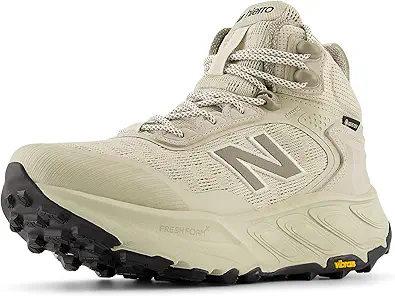 | Best for Wet-Weather Cushioning | Brand: New Balance | Model: Fresh Foam X Hierro Hiker | Waterproofing: GORE-TEX | VIEW LATEST PRICE | See Our Full Breakdown |
| adidas Women’s Kantai Trail Sneakers |  | Best for Trail-to-Town Wear | Brand: adidas | Model: Kantai Trail Sneakers | Target gender: Women | VIEW LATEST PRICE | See Our Full Breakdown |
| Saucony Excursion TR14 Women’s Trail Running Shoes |  | Best for Straightforward Trail Grip | Category: Trail | Offset: 8 mm (23/31) | Weight: 8.8 oz | VIEW LATEST PRICE | See Our Full Breakdown |
| Salomon Women’s Speedcross Peak Gore-Tex Waterproof Trail Running Shoe |  | Best for Secure Wet-Trail Traction | Brand: Salomon | Waterproofing: Gore-Tex membrane | Outsole: All Terrain Contagrip | VIEW LATEST PRICE | See Our Full Breakdown |
| New Balance Men’s Fresh Foam 410 V9 Trail Running Shoe |  | Best for Road-to-Trail Versatility | Model: 410 V9 | Cushioning: Fresh Foam / BIO Foam | Outsole: AT Tread | VIEW LATEST PRICE | See Our Full Breakdown |
| Oboz Women’s Hyalite Low B-Dry Waterproof Hiking Shoes |  | Best Waterproof Hiking Pick | Waterproofing: B-DRY breathable membrane | Insole: O FIT triple-density EVA | Midsole: KINERTIA | VIEW LATEST PRICE | See Our Full Breakdown |
| Altra Women’s Lone Peak 8 Trail Running Shoe |  | Best Lightweight Trail Runner | Weight: 9.16 oz / 259 g | Midsole: Altra EGO | Outsole: MaxTrac rubber | VIEW LATEST PRICE | See Our Full Breakdown |
| NORTIV 8 Men’s Trail Running Shoes with Wide Toe Box |  | Best for a Roomy Toe Box | Gender: Men | Upper: Jacquard mesh | Midsole: EVA | VIEW LATEST PRICE | See Our Full Breakdown |
| Brooks Women’s Cascadia 20 Trail Running Shoe |  | Best for Stability and Protection | Model: Cascadia 20 | Outsole: Vibram Megagrip with Traction Lug technology | Lug depth: 4 mm | VIEW LATEST PRICE | See Our Full Breakdown |
| chunky trail shoe | Sole material | Outsole | Model | Cushioning |
|---|---|---|---|---|
| Brooks Women’s Caldera 8 Ultra | Rubber | — | Caldera 8 | Nitrogen-infused DNA LOFT v3 |
| New Balance Fresh Foam X Hierr | — | Vibram rubber | Fresh Foam X Hierro Hiker | — |
| adidas Women’s Kantai Trail Sn | Rubber | — | Kantai Trail Sneakers | adidas Lightstrike |
| Saucony Excursion TR14 Women’s | Rubber | — | — | — |
| Salomon Women’s Speedcross Pea | Rubber | All Terrain Contagrip | — | — |
| New Balance Men’s Fresh Foam 4 | Rubber | AT Tread | 410 V9 | Fresh Foam / BIO Foam |
| Oboz Women’s Hyalite Low B-Dry | Rubber | — | — | — |
| Altra Women’s Lone Peak 8 Trai | — | MaxTrac rubber | — | Moderate |
| NORTIV 8 Men’s Trail Running S | — | Rubber | — | — |
| Brooks Women’s Cascadia 20 Tra | Rubber | Vibram Megagrip with Traction Lug technology | Cascadia 20 | Nitrogen-infused DNA FLASH v2 |
More Details on Our Top Picks
Brooks Women’s Caldera 8 Ultra Trail Running Shoe
The Caldera 8 is the plushest match here for runners who want substantial cushioning over long, rough routes. Its nitrogen-infused DNA LOFT v3 midsole and widened base are designed to soften repeated impacts while the raised sidewalls add a sense of support. Compared with the lower-profile adidas Kantai Trail Sneakers, the Caldera puts far more emphasis on cushioning and protection than on a compact, responsive feel. That generous stack has a tradeoff: it can feel bulky to runners who prefer closer ground contact or quick, nimble footing. The breathable, snag-resistant mesh upper suits extended trail outings, though the supplied details do not specify waterproofing. I’d choose it for distance comfort, not for a minimal, agile ride.
Pros:- Nitrogen-infused DNA LOFT v3 cushioning is designed for plush comfort over long distances.
- Raised sidewalls and a widened base add support on rugged terrain.
- Breathable air mesh upper uses durable, snag-resistant materials.
- Carbon Neutral Certified.
Cons:- High stack height may feel bulky to runners who want more ground feel.
- Waterproofing is not specified in the supplied product details.
Best for: Women running long trail distances who want a highly cushioned platform and added sidewall support on rough ground.
Not ideal for: Runners who prefer a low-profile, nimble shoe or want stated waterproof protection.
- Brand:Brooks
- Model:Caldera 8
- Cushioning:Nitrogen-infused DNA LOFT v3
- Sole material:Rubber
- Outer material:Nylon
- Predecessor:Caldera 7
- Certification:Carbon Neutral Certified
Our verdict“Choose the Caldera 8 if long-distance cushioning and a broad, supportive feel matter more to you than a low, nimble ride.”
New Balance Fresh Foam X Hierro Hiker Gore-TEX Waterproof Trail Shoe (Women’s)
The Fresh Foam X Hierro Hiker combines a cushioned ride with a GORE-TEX waterproof upper, making it a strong choice for damp trails and year-round outings. Its Vibram rubber outsole and Toe Protect feature address two common trail annoyances: slipping underfoot and impacts from rocks or roots. Compared with the Brooks Caldera 8, which centers on plush long-distance cushioning and a stable base, this New Balance adds specified weather protection and toe shielding. The tradeoff is that its supplied details list a cotton inner material, which may hold moisture if it gets wet, and the waterproof construction may not suit buyers seeking a more breathable, warm-weather feel. I’d pick it when weather coverage and cushioning take priority over a simpler, airy setup.
Pros:- GORE-TEX upper provides specified waterproof protection.
- Fresh Foam X midsole offers plush cushioning.
- Vibram rubber outsole is built for trail grip.
- Toe Protect technology shields against rocks, roots, and debris.
Cons:- Cotton inner material may retain moisture when wet.
- Waterproof construction may feel less suited to hot-weather outings.
Best for: Women who hike or run cushioned trails in changeable weather and want waterproofing, grip, and toe protection.
Not ideal for: Hot-weather trail runners prioritizing maximum ventilation, or buyers wary of a cotton inner lining that may retain moisture.
- Brand:New Balance
- Model:Fresh Foam X Hierro Hiker
- Waterproofing:GORE-TEX
- Midsole:Fresh Foam X cushioning
- Outsole:Vibram rubber
- Toe protection:Toe Protect technology
- Target gender:Women
Our verdict“Pick the Hierro Hiker for cushioned trail outings where waterproof coverage and toe protection matter as much as grip.”
adidas Women’s Kantai Trail Sneakers
The Kantai Trail Sneakers are the least overtly built for maximum cushioning in this group, and that is part of their appeal: they pair a rugged trail look with a low-profile shape suited to everyday wear. adidas Lightstrike cushioning is described as lightweight and responsive, while the speed-lace system aims to keep the fit secure without traditional laces. Compared with the high-stack Brooks Caldera 8, the Kantai is the more compact-feeling pick for buyers who split time between dirt paths and town. That versatility comes with limits: the provided details give no waterproofing or lug-depth information, and its pull-on closure may frustrate anyone who wants conventional, finely adjustable laces. I’d choose it for mixed casual use, not as the most protective option for long, rough routes.
Pros:- Low-profile design is easier to pair with everyday wear than the bulky Caldera 8.
- Lightstrike cushioning is designed for a lightweight, responsive feel.
- Speed-lace system offers a quick way to secure the fit.
- Rubber outsole is described as providing trail grip.
Cons:- Pull-on closure may not suit buyers who prefer traditional adjustable laces.
- Waterproofing and lug depth are not specified in the supplied details.
Best for: Women who want one lightweight, trail-inspired shoe for casual paths and everyday town wear.
Not ideal for: Runners seeking plush high-stack cushioning, specified waterproofing, or traditional adjustable laces.
- Brand:adidas
- Model:Kantai Trail Sneakers
- Target gender:Women
- Cushioning:adidas Lightstrike
- Sole material:Rubber
- Closure type:Pull-On
- Origin:Imported
Our verdict“Choose the Kantai if you want a lighter, trail-to-town shoe and can accept less specified protection than the more trail-focused picks.”
Saucony Excursion TR14 Women’s Trail Running Shoes
The Excursion TR14 offers a straightforward trail setup: 6 mm lugs for traction, VERSARUN cushioning for impact protection, and a mesh upper with supportive overlays. That makes it a practical pick for runners who want clear trail-focused features without the plush, high-stack emphasis of the Brooks Caldera 8. The Saucony’s defined offset and stated weight also give buyers concrete fit and ride details that are absent from several options here. Its tradeoff is a basic feature set; the supplied information does not mention waterproofing or advanced stability support for technical terrain. I’d consider it for dirt paths and everyday trail runs where dependable lug depth matters more than premium cushioning or wet-weather coverage.
Pros:- 6 mm lugs provide a clear trail-traction focus.
- VERSARUN cushioning offers impact protection.
- Trail-specific mesh upper has supportive overlays.
- Stated 8.8 oz weight and 8 mm offset give useful fit and ride reference points.
Cons:- Basic feature set lacks the plush cushioning emphasis of the Caldera 8.
- Advanced stability features and waterproofing are not specified.
Best for: Women starting out on dirt paths or running familiar trails who want defined lugs and basic impact cushioning.
Not ideal for: Runners tackling technical terrain who need advanced stability features, or those seeking waterproof protection or plush maximum cushioning.
- Category:Trail
- Offset:8 mm (23/31)
- Weight:8.8 oz
- Lug depth:6 mm
- Sizes:Women 5–12
- Fabric type:Synthetic and mesh
- Sole material:Rubber
Our verdict“Choose the Excursion TR14 for everyday dirt running when defined lugs and a simple, trail-focused build are enough.”
Salomon Women’s Speedcross Peak Gore-Tex Waterproof Trail Running Shoe
The Speedcross Peak puts grip, weather coverage, and a close fit ahead of a soft, high-stack feel. Its Gore-Tex membrane and All Terrain Contagrip outsole suit unpredictable conditions, while Quicklace and Sensifit are designed to hold the foot securely without repeated lace adjustments. Compared with the cushier New Balance Fresh Foam X Hierro Hiker, this Salomon’s standout story is the combination of traction and a precise fit; the supplied details describe its cushioning as better suited to moderate runs than high-intensity racing. That focus may feel restrictive to runners who want a roomy, relaxed fit or maximum plushness. I’d favor it for wet, loose, or mixed-surface trails where secure footing matters more than a soft ride.
Pros:- Gore-Tex membrane provides waterproof protection.
- All Terrain Contagrip outsole is specified for wet, dry, loose, and hard surfaces.
- Quicklace system allows one-pull tightening.
- Sensifit construction and mudguard add fit security and debris defense.
Cons:- Cushioning is described as better suited to moderate runs than high-intensity racing.
- A precise, secure fit may not suit runners who prefer a relaxed feel.
Best for: Women running moderate trail outings in wet or variable conditions who value traction and a secure, quick-adjust fit.
Not ideal for: Runners seeking maximum cushioning for intense racing or a relaxed, roomy fit.
- Brand:Salomon
- Waterproofing:Gore-Tex membrane
- Outsole:All Terrain Contagrip
- Closure:Quicklace system
- Fit construction:Sensifit
- Sole material:Rubber
- Outer material:Textile
Our verdict“Pick the Speedcross Peak for moderate runs on wet or mixed trails when secure traction matters more than maximum cushioning.”
New Balance Men’s Fresh Foam 410 V9 Trail Running Shoe
The Fresh Foam 410 V9 suits runners who want one shoe for paved connectors and moderate trails. Its AT Tread rubber outsole is designed for both, while Fresh Foam and BIO Foam cushioning soften impact without making this model sound especially plush. Compared with the more trail-focused Altra Women’s Lone Peak 8, the 410 V9 puts more emphasis on mixed-surface versatility than on a specified trail platform or stack height. Breathable mesh and supportive overlays keep the construction practical, but the mesh may be less resilient against repeated contact with sharp rocks. This is a sensible pick for everyday runs that move between surfaces; buyers seeking waterproofing, deep cushioning, or rugged upper protection should look elsewhere.
Pros:- AT Tread rubber outsole is designed for both on-road and off-road traction.
- Fresh Foam and BIO Foam cushioning provide lightweight shock absorption.
- Breathable mesh upper is paired with durable overlays for support.
- Lace-up closure allows an adjustable fit.
Cons:- Mesh may be less durable on extremely rocky terrain.
- No waterproof membrane is specified for wet-weather use.
Best for: Runners who split regular outings between pavement, park paths, and moderate trails and want all-terrain outsole versatility.
Not ideal for: Hikers who regularly cross sharp, rocky ground or need waterproof protection, since the mesh upper is not described as waterproof and may wear faster in rough conditions.
- Model:410 V9
- Cushioning:Fresh Foam / BIO Foam
- Outsole:AT Tread
- Sole material:Rubber
- Outer material:Mesh
- Closure:Lace-up
Our verdict“Choose the 410 V9 for mixed road-and-trail running; pick the Lone Peak 8 if your priority is a more trail-centered shoe.”
Oboz Women’s Hyalite Low B-Dry Waterproof Hiking Shoes
For hikers who value a dry foot and built-in arch support, the Hyalite Low B-Dry has a clear advantage over non-waterproof options such as the Altra Women’s Lone Peak 8. Its B-DRY membrane is intended to keep water out while allowing breathability, and the triple-density O FIT insole is shaped for medium-to-high arch support. The KINERTIA midsole and 8 mm heel drop add cushioning for day hikes and travel, while the all-terrain outsole also suits pavement. Suede, nubuck, and abrasion-resistant mesh give it a more protective upper than a mesh-led trail runner, though the mesh still leaves less coverage than a full-leather build. This hiking shoe is heavier in purpose than a nimble running pick, and the supplied details do not give its weight.
Pros:- B-DRY breathable membrane provides waterproof protection.
- O FIT triple-density insole offers medium-to-high arch support.
- KINERTIA midsole and 8 mm heel drop provide cushioned support.
- All-terrain rubber outsole is suited to trails and pavement.
Cons:- Abrasion-resistant mesh offers less coverage than a full-leather upper.
- Weight is not provided, making it harder to compare for weight-conscious hikers.
Best for: Women day hikers who want waterproof coverage, supportive arch shaping, and a shoe that can also handle travel and pavement.
Not ideal for: Runners prioritizing a light, minimally structured shoe or hikers who want full-leather upper coverage for consistently rough terrain.
- Waterproofing:B-DRY breathable membrane
- Insole:O FIT triple-density EVA
- Midsole:KINERTIA
- Heel drop:8 mm
- Upper:Abrasion-resistant mesh, suede, and 1.7 mm nubuck rand
- Sole material:Rubber
- Closure:Lace-up
Our verdict“Pick the Hyalite Low B-Dry for wet hikes and arch support, while the Lone Peak 8 is the more suitable choice for buyers who prefer a trail-running shoe.”
Altra Women’s Lone Peak 8 Trail Running Shoe
The Lone Peak 8 is the lighter, less cushioned choice for women who want a trail-running shoe that stays nimble underfoot. Its 9.16 oz weight, 25 mm stack, and moderate Altra EGO cushioning give useful trail contact without the plush feel suggested by the Brooks Women’s Cascadia 20 and its DNA FLASH v2 cushioning. MaxTrac rubber supplies trail grip, while the ripstop mesh upper keeps the construction light. That tradeoff matters: moderate cushioning may feel sparse to runners who want a softer ride for long days, and the supplied specs do not list waterproofing. Compared with the road-and-trail-focused New Balance 410 V9, the Lone Peak 8 has a more clearly trail-oriented outsole and defined stack height. It fits runners who favor agility over maximum cushioning.
Pros:- Lightweight at 9.16 oz / 259 g.
- MaxTrac rubber outsole is designed for trail grip.
- Altra EGO midsole provides responsive, moderate cushioning.
- 25 mm stack height is specified for straightforward comparison.
Cons:- Moderate cushioning may feel insufficient to runners seeking a plush ride.
- Waterproofing is not specified.
Best for: Women trail runners who want a lightweight shoe with moderate cushioning and a clearly specified trail outsole.
Not ideal for: Runners who want a plush, highly cushioned ride or waterproof coverage for wet routes.
- Weight:9.16 oz / 259 g
- Midsole:Altra EGO
- Outsole:MaxTrac rubber
- Cushioning:Moderate
- Stack height:25 mm
- Upper:Ripstop mesh
- Inner material:Textile
Our verdict“Choose the Lone Peak 8 for a lighter, trail-focused feel; choose the Brooks Cascadia 20 if you want more cushioning and protective details.”
NORTIV 8 Men’s Trail Running Shoes with Wide Toe Box
The defining reason to choose these NORTIV 8 trail shoes is the roomy toe box, which gives toes more space to spread than the snugger, performance-led fit many trail shoes may offer. A lightweight EVA midsole is described as providing shock absorption and arch support, while 4 mm rubber lugs target grip across trails and pavement. Compared with the New Balance Fresh Foam 410 V9, NORTIV 8 makes toe room its clearest selling point; the New Balance listing gives more detail about its cushioning system. Here, weight and heel drop are not supplied, so buyers have fewer fit and ride details to compare before choosing. The Jacquard mesh favors breathability, but no waterproof membrane or added rock protection is specified. This pick makes most sense for men who put forefoot space ahead of detailed technical specs.
Pros:- Roomy toe box allows greater toe spread.
- Lightweight EVA midsole is described as providing shock absorption and arch support.
- Rubber outsole has 4 mm lugs for mixed terrain.
- Breathable Jacquard mesh upper.
Cons:- Weight and heel drop are not specified.
- Waterproofing and added rock protection are not specified.
Best for: Men who want extra toe room for natural toe spread during workouts on trails and pavement.
Not ideal for: Runners who need verified weight and heel-drop measurements, waterproofing, or clearly specified upper protection for rocky routes.
- Gender:Men
- Upper:Jacquard mesh
- Midsole:EVA
- Outsole:Rubber
- Lug depth:4 mm
- Closure:Lace-up
- Inner material:Soft lining
Our verdict“Choose NORTIV 8 if forefoot space is your main fit priority; the New Balance 410 V9 provides more detail about its cushioning and outsole system.”
Brooks Women’s Cascadia 20 Trail Running Shoe
The Cascadia 20 is the stability-and-protection pick for women who want grip and cushioning on uneven ground. Its Vibram Megagrip outsole with 4 mm lugs is designed for wet and dry traction, while Trail Adapt technology is described as creating a stable base that still flexes with the terrain. Nitrogen-infused DNA FLASH v2 cushioning and a reinforced toe cap, mudguard, and overlay-protected air mesh make it a more protective option than the lighter Altra Women’s Lone Peak 8. The tradeoff is a more built-up package that may feel like more shoe than casual walkers need; the supplied details also do not list its weight or stack height. For technical routes where traction and debris protection take priority, the Cascadia’s feature set is the most complete among these two models.
Pros:- Vibram Megagrip outsole with 4 mm lugs is designed for wet and dry traction.
- Trail Adapt technology provides a stable base with flexible lugs.
- Reinforced toe cap and mudguard help shield feet from rocks and debris.
- Nitrogen-infused DNA FLASH v2 cushioning provides plush shock absorption.
Cons:- Protective, supportive feature set may feel excessive for casual walking.
- Weight and stack height are not specified.
Best for: Women trail runners and hikers who want stable support, wet-and-dry grip, and added protection from rocks and debris.
Not ideal for: Casual walkers seeking a simple, minimally built shoe or runners who need listed weight and stack measurements before deciding.
- Model:Cascadia 20
- Outsole:Vibram Megagrip with Traction Lug technology
- Lug depth:4 mm
- Cushioning:Nitrogen-infused DNA FLASH v2
- Upper:Air mesh with 3D overlay protection
- Sole material:Rubber
- Closure:Lace-up
Our verdict“Choose the Cascadia 20 for stability, traction, and protection on rough routes; the Lone Peak 8 better suits runners who want a lighter-feeling option with moderate cushioning.”
How We Picked
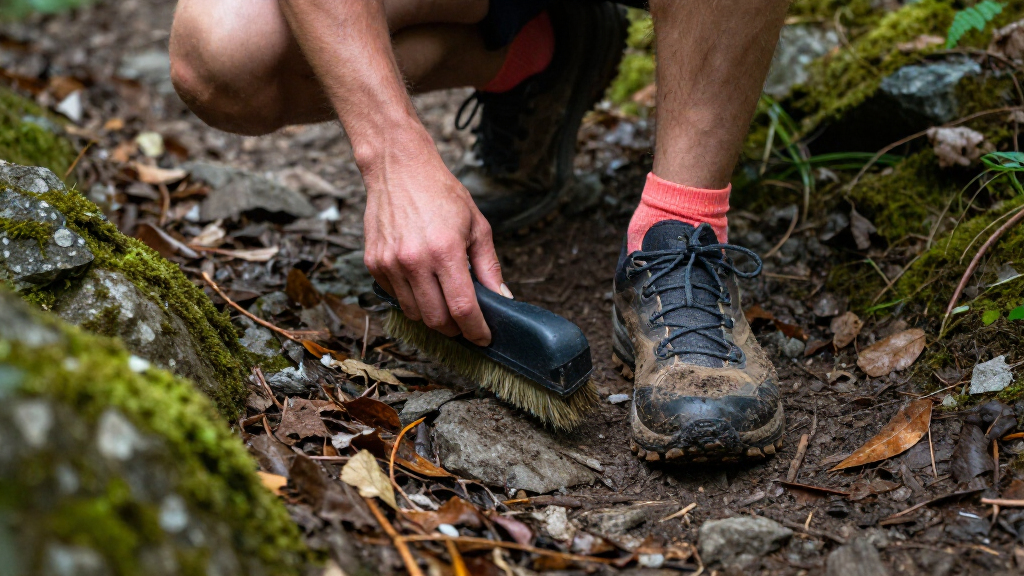
I evaluated each shoe through the specific lens of chunky trail performance: midsole thickness and cushioning quality, outsole grip across mud, rock, and loose gravel, underfoot stability despite the elevated stack height, and how well the upper holds up to abrasion and trail debris. Because this category spans both fashion-adjacent sneakers and serious trail runners, I also weighed intended use — a chunky shoe built for hikes to the crag is judged differently than one meant for 20-mile trail runs.
Ranking order reflects a simple hierarchy: shoes that combine genuine cushion with reliable traction and durable builds placed highest, while models that lean on the chunky aesthetic without the underfoot engineering landed lower. Value mattered too — the NORTIV 8 and Excursion TR14 earn their spots by delivering most of the premium experience at a lower cost, whereas the Hierro Hiker and Hyalite serve hikers who need waterproofing rather than run performance. Every pick has a defined buyer, and every shoe lower in the ranking has a clear reason it isn’t higher.
| chunky trail shoe | Cushioning | Outsole | Closure |
|---|---|---|---|
| Brooks Women’s Caldera 8 Ultra | Nitrogen-infused DNA LOFT v3 | — | — |
| New Balance Fresh Foam X Hierr | — | Vibram rubber | — |
| adidas Women’s Kantai Trail Sn | adidas Lightstrike | — | — |
| Saucony Excursion TR14 Women’s | — | — | — |
| Salomon Women’s Speedcross Pea | — | All Terrain Contagrip | Quicklace system |
| New Balance Men’s Fresh Foam 4 | Fresh Foam / BIO Foam | AT Tread | Lace-up |
| Oboz Women’s Hyalite Low B-Dry | — | — | Lace-up |
| Altra Women’s Lone Peak 8 Trai | Moderate | MaxTrac rubber | — |
| NORTIV 8 Men’s Trail Running S | — | Rubber | Lace-up |
| Brooks Women’s Cascadia 20 Tra | Nitrogen-infused DNA FLASH v2 | Vibram Megagrip with Traction Lug technology | Lace-up |
Factors to Consider When Choosing Best Chunky Trail Shoes
Choosing chunky trail shoes involves more than picking the thickest sole. These are the factors that actually change how a shoe performs on the trail, and where buyers most often go wrong.Stack Height vs. Stability
The defining trait of chunky trail shoes is a tall midsole, but height without structure creates a tippy, unstable ride on uneven ground. Look for shoes with wide outsole platforms or sidewall reinforcement that flare beyond the midsole — this is what keeps the Brooks Caldera 8 Ultra planted despite its plush stack. A common mistake is assuming more cushion always means more comfort; on technical terrain, an overly soft and tall shoe can roll an ankle or hide the feedback your feet need to place steps accurately. Runners new to tall shoes should taper in gradually rather than jumping straight into a max-stack model for a long race. If your routes involve lots of rocks and roots, prioritize stability features over raw thickness.
Waterproofing: When It Helps and When It Hurts
Gore-Tex and similar membranes, found on the Salomon Speedcross Peak, New Balance Hierro, and Oboz Hyalite, are excellent for cold, wet, muddy conditions where puddles and morning dew are constant. The tradeoff is real: waterproof shoes trap heat and sweat, and once water enters over the collar — inevitable in a deep stream crossing — it drains far slower than a non-waterproof shoe. Buyers frequently waterproof themselves into misery on hot summer hikes. A better rule is to match the membrane to your climate and season rather than treating waterproofing as a free upgrade. For warm-weather dry trails, a breathable mesh shoe like the Altra Lone Peak 8 will keep feet happier than any membrane model.
Outsole Rubber and Lug Pattern
Grip is where cheap chunky shoes most often fail. Premium shoes use proprietary rubber compounds — Salomon’s Contagrip and Vibram-style mixes — that stick to wet rock and shed mud, while budget options like the NORTIV 8 use harder generic rubber that wears faster and slides on slick surfaces. Lug depth and spacing matter as much as compound: deep, widely spaced lugs (like the Speedcross Peak’s) bite into mud but feel clumsy on pavement, while shallower multidirectional lugs handle mixed terrain better. Think honestly about your typical surface. A shoe that excels in Deep South clay will feel over-grippy and loud on gravel paths, and vice versa.
Toe Box Shape and Foot Anatomy
Fit differences in this category are dramatic. Altra builds its entire identity around a foot-shaped, roomy toe box that lets toes splay on descents, while Salomon and adidas cut narrower lasts that suit low-volume feet but punish wide ones. NORTIV 8 markets a wide toe box at a budget price, which matters for buyers who usually have to size up and accept heel slop. Downhill hiking is the real test: toes that slam into a tapered toe box after a few hours produce black nails and blisters. If you can’t try shoes on, check the brand’s reputation for width before buying, and consider going up a half size only if the heel holds — a sloppy heel causes more problems than snug toes.
Heel-to-Toe Drop and Leg Impact
Drop — the height difference between heel and forefoot — changes which muscles and joints absorb impact. The Altra Lone Peak 8 is zero-drop, which encourages a more natural foot strike but loads the calves and Achilles heavily if you’re used to a 10mm drop shoe. Most traditional options here sit in the 4–10mm range, a safer middle ground for the majority of runners and hikers. The mistake to avoid is switching to zero drop right before a big event; the adjustment period typically takes several weeks of shorter outings. Chunky stack and low drop can also combine awkwardly, so treat the two specs as a package rather than independent numbers.
Durability, Weight, and Real-World Value
Chunky trail shoes carry more material, which means more weight on every stride and more components that can fail. Budget models often look identical in photos but use lower-density foam that compresses within a few hundred miles, while premium midsoles retain cushioning far longer — this is the real reason a costlier shoe can be cheaper per mile. Check the outsole coverage too: exposed foam segments on the edges of the midsole are the first casualty on rocky terrain. Weight matters most for runners and fast hikers; casual walkers can ignore it almost entirely. My advice: spend more only if you log serious mileage or face harsh terrain, otherwise a mid-priced shoe like the Excursion TR14 hits the durability sweet spot.
Frequently Asked Questions
Are chunky trail shoes good for walking on pavement too?
They can be, but it depends on the outsole. Shoes with shallow, tightly spaced lugs like the New Balance Fresh Foam 410 V9 or the adidas Kantai handle pavement and packed paths comfortably, while deep-lugged shoes like the Salomon Speedcross Peak feel clunky and wear down quickly on asphalt. The tall cushioning that defines this category is actually pleasant for long days on hard surfaces. If you split time evenly between trail and sidewalk, choose a hybrid-leaning model rather than a dedicated mud-shredder. Hard pavement also chews through soft trail rubber faster, so expect shorter outsole life on mixed use.
Should I size up in chunky trail shoes for downhill hiking?
A half size up is common for long descents because feet slide forward and toes need room, but only if the heel still locks securely — a slipping heel causes worse blisters than snug toes. A better first move is choosing a shoe with an anatomically roomy toe box, like the Altra Lone Peak 8 or NORTIV 8, which gives downhill space without lengthening the shoe. Also consider foot swelling: feet expand over long hot days, so shoes that fit perfectly in the shop may tighten by mile ten. Try shoes in the afternoon when feet are naturally larger, always with the socks you’ll wear on trail.
Is a waterproof chunky trail shoe worth it if I mostly hike in summer?
Usually not. Waterproof membranes like Gore-Tex block water out but also trap heat and sweat in, and summer feet sweat heavily — many hikers end up with wetter-feeling feet in waterproof shoes than in breathable mesh. Membranes shine in shoulder seasons and winter mud, where cold water ingress is what actually makes you miserable. There’s also the stream-crossing problem: once water tops the collar, a waterproof shoe becomes a bucket that drains slowly. If your summers involve frequent rain and boggy ground, a membrane still earns its keep; for dry heat, go breathable.
What’s the actual difference between the two Brooks shoes on this list?
They serve opposite priorities. The Caldera 8 Ultra is built for long-distance comfort with a taller, softer stack that absorbs impact over many miles on moderate terrain. The Cascadia 20 is a stability-oriented design with a firmer ride, protective rock plate, and more secure footing for technical, rocky descents. If your trails are long and rolling, the Caldera’s plushness wins; if they’re steep, rooty, or scree-covered, the Cascadia keeps you safer and more connected to the ground. Choosing between them is really a question of terrain aggression, not quality — both are premium builds.
Can I start trail running in a zero-drop shoe like the Altra Lone Peak 8?
You can, but ramp up slowly. Zero drop loads your calves, Achilles, and plantar fascia far more than a traditional 8–10mm heel lift, and injuries usually come from switching too fast rather than from the drop itself. A sensible approach is alternating zero-drop shoes with your regular shoes for two to four weeks and keeping early zero-drop runs short and flat. Beginners who want to skip the adjustment entirely are better served by a conventional-drop shoe like the Saucony Excursion TR14. That said, many runners who adapt to zero drop report stronger feet and fewer knee complaints over time, so the transition can pay off with patience.
Conclusion
The best overall chunky trail shoe is the Brooks Caldera 8 Ultra — it pairs the category’s signature thick midsole with genuine stability and all-day comfort, which most rivals fail to balance. For the best value, the Saucony Excursion TR14 delivers a legitimately chunky, capable trail shoe without the premium price, with the NORTIV 8 as the pick for wide-footed buyers on a budget. The best premium option for wet, technical terrain is the Salomon Speedcross Peak Gore-Tex, whose traction and waterproofing justify the spend for serious foul-weather trail use.
Beginners should start with the New Balance Fresh Foam 410 V9 or Hierro Hiker — forgiving, versatile, and less demanding than max-stack or zero-drop designs. For specific needs: hikers wanting waterproof support should look at the Oboz Hyalite Low, casual wearers who want the chunky look with light trail ability will like the adidas Kantai, long-distance runners with foot-shaped preferences belong in the Altra Lone Peak 8, and technical-terrain runners should choose the Brooks Cascadia 20. Match the shoe to your dominant terrain and foot shape, and the chunk becomes an advantage rather than a liability.
Fall Picks
fall essentials
As an affiliate, we earn on qualifying purchases.