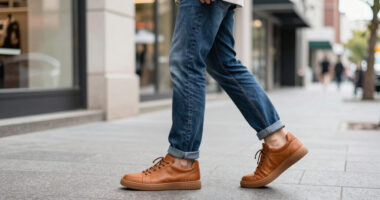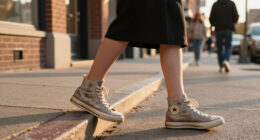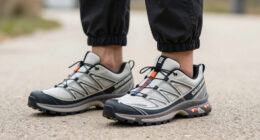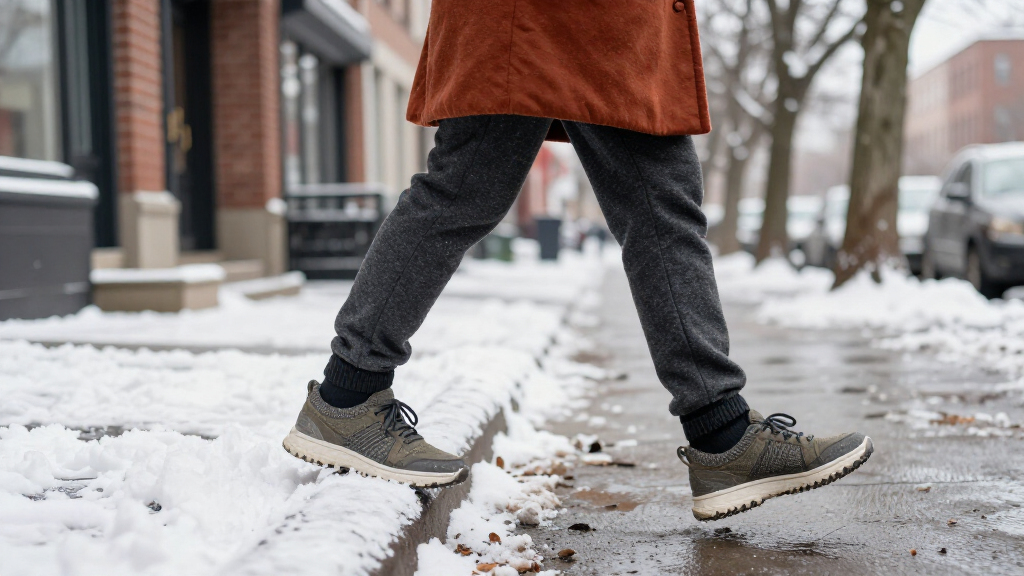

The SOREL Out ‘N About III Mid is my best overall pick among these winter sneakers, thanks to its balance of waterproof coverage and everyday sneaker styling. For a lower-cut option, the SOREL Out N About IV Low suits milder, wet conditions, while the North Face Clyffe Mid is better suited to colder walks that call for more insulation. The main tradeoff is coverage: taller, warmer designs can feel bulkier, while low sneakers leave more of the ankle exposed. Slip-on and barefoot-style options offer a different fit and feel, but may not suit everyone’s winter routes. Read on for the full comparison and help matching a pair to your weather, fit, and daily use.

Get your wardrobe favorites delivered free — and shop member deals
- Fast, free delivery on millions of items
- Access to Prime Big Deal Days deals on October 6–7
- Prime Video, Amazon Music and more included
Key Takeaways
- The SOREL Out ‘N About III Mid is the most balanced choice for shoppers who want waterproof coverage in a sneaker-like style.
- The Out N About IV Low favors wet, milder days, while its low collar offers less protection from slush and snow than the mid-height options.
- The North Face Clyffe Mid leans toward warmth and outdoor use; its more substantial build may feel like too much shoe for casual errands.
- Slip-on convenience comes with fit tradeoffs: the XPETI loafer and barefoot-style shoe suit different preferences, so check heel hold and room for winter socks.
- These options vary widely in support and insulation. A fleece-lined boot may feel cozy, while a wide-toe barefoot shoe gives a less structured feel; neither is a universal substitute for a supportive walking shoe.
| The North Face Clyffe Mid Insulated Waterproof Hiking Boot |  | Best for Snowy Trails | Upper: Suede and textile | Waterproof membrane: DryVent | Insulation: 100g Heatseeker synthetic insulation | VIEW LATEST PRICE | See Our Full Breakdown |
| XPETI Men’s Winter Waterproof Slip-On Hiking Loafers |  | Best Easy-On Pick | Upper: Synthetic and breathable mesh | Closure: Pull-on | Water resistance: Waterproof membrane | VIEW LATEST PRICE | See Our Full Breakdown |
| SOREL Women’s Out ‘N About III Mid Waterproof Sneaker |  | Best Waterproof Everyday Sneaker | Upper: Waterproof mesh with suede and webbing overlays | Construction: Waterproof bootie | Footbed: Removable molded EVA with textile topcover | VIEW LATEST PRICE | See Our Full Breakdown |
| Skechers Women’s Keepsakes Cozy Street Hiker |  | Best for Cozy Casual Wear | Upper: Suede | Lining: Chenille | Closure: Lace-up | VIEW LATEST PRICE | See Our Full Breakdown |
| Women’s Fleece-Lined Winter Sneaker Boots |  | Best for Light-Duty Winter Wear | Upper fabric: Polyurethane (PU) | Lining: Fleece | Sole material: Leather and rubber | VIEW LATEST PRICE | See Our Full Breakdown |
| SOREL Women’s Out N About IV Low Waterproof Sneaker |  | Best Low-Profile Waterproof Pick | Upper: Waterproof suede and textile with bootie construction | Laces: Not waterproof | Footbed: Removable molded PU with textile topcover | VIEW LATEST PRICE | See Our Full Breakdown |
| Unisex Winter Barefoot Slip-On Hiking Shoes with Wide Toe Box |  | Best for a Roomy, Flexible Fit | Fit: Unisex | Closure: Pull-on | Toe box: Wide | VIEW LATEST PRICE | See Our Full Breakdown |
| SOREL Women’s Out N About IV Mid Waterproof Sneaker |  | Best for Added Ankle Coverage | Shaft height: Ankle | Upper: Suede and canvas with waterproof bootie construction | Laces: Not waterproof | VIEW LATEST PRICE | See Our Full Breakdown |
| winter sneaker | Upper | Lining | Outsole | Sole material |
|---|---|---|---|---|
| The North Face Clyffe Mid Insu | Suede and textile | — | Vibram Megagrip rubber, non-marking, with 3mm lugs | — |
| XPETI Men’s Winter Waterproof | Synthetic and breathable mesh | Polar fleece | Rubber | — |
| SOREL Women’s Out ‘N About III | Waterproof mesh with suede and webbing overlays | — | Molded rubber | — |
| Skechers Women’s Keepsakes Coz | Suede | Chenille | — | Thermoplastic elastomers |
| Women’s Fleece-Lined Winter Sn | — | Fleece | — | Leather and rubber |
| SOREL Women’s Out N About IV L | Waterproof suede and textile with bootie construction | Textile | Molded EVERTREAD rubber | Rubber |
| Unisex Winter Barefoot Slip-On | — | Premium fleece | — | Ethylene vinyl acetate (EVA) |
| SOREL Women’s Out N About IV M | Suede and canvas with waterproof bootie construction | Textile | Molded EVERTREAD rubber | Rubber |
More Details on Our Top Picks
The North Face Clyffe Mid Insulated Waterproof Hiking Boot
For buyers who expect winter sneakers to handle more than sidewalks, I’d put the Clyffe Mid at the top of this batch for wet, uneven terrain. Its DryVent membrane and 100g Heatseeker insulation address two common cold-weather problems at once, while the Vibram Megagrip outsole with 3mm lugs offers a more trail-focused tread than the molded rubber outsole on the SOREL Out ‘N About III Mid. A molded EVA midsole adds cushioning without turning this into a heavy-duty mountaineering boot. The tradeoff is its insulated build: it may feel too warm for mild days or long indoor stretches, and its hiking-boot design is less sneaker-like than the SOREL. I’d choose it for snow and slush, but skip it if you mainly want a light everyday shoe.
Pros:- DryVent waterproof membrane and 100g Heatseeker insulation suit cold, wet conditions.
- Vibram Megagrip outsole with 3mm lugs is built for traction on varied terrain.
- Molded EVA midsole cushions steps while allowing flexibility.
- Rubber toe cap helps shield the front of the boot from impacts and wear.
Cons:- Insulation may feel too warm in mild weather or indoors.
- The hiking-boot build is less casual and sneaker-like than the SOREL Out ‘N About III Mid.
Best for: Walkers and hikers who need waterproof warmth and reliable grip on snowy or wet paths.
Not ideal for: People seeking a lightweight sneaker for mild weather, indoor wear, or mostly dry pavement.
- Upper:Suede and textile
- Waterproof membrane:DryVent
- Insulation:100g Heatseeker synthetic insulation
- Midsole:Single-density molded EVA
- Outsole:Vibram Megagrip rubber, non-marking, with 3mm lugs
- Shaft:Mid top
- Toe protection:Rubber toe cap
Our verdict“Choose the Clyffe Mid for cold hikes and snowy walks where waterproofing and trail grip matter more than a light, casual feel.”
XPETI Men’s Winter Waterproof Slip-On Hiking Loafers
The XPETI stands apart from lace-up picks such as the Skechers Keepsakes Cozy Street Hiker by making quick entry its main advantage. A pull-on design and stretch collar are handy for frequent trips outside, while the waterproof membrane, 200g Thinsulate insulation, and polar fleece lining give it a warmer, more weather-focused profile than the Skechers, which relies on water- and stain-resistant treatment. Its rubber outsole is described as grippy, though the product details don’t give lug depth or a specific winter traction design, so I wouldn’t rank it ahead of The North Face Clyffe Mid for demanding snowy trails. The breathable mesh in the synthetic upper may help with ventilation, but fit information is missing. This is a practical cold-weather option when convenience matters more than a precise, adjustable fit.
Pros:- Pull-on closure and stretch collar make it easy to put on and remove.
- Waterproof membrane helps keep feet dry.
- 200g Thinsulate insulation and polar fleece lining provide substantial warmth.
- Removable high-rebound EVA footbed can be taken out.
Cons:- No sizing or fit details are provided, making fit harder to judge.
- The outsole is described as grippy but has no stated lug depth or specific snow-traction details.
- The slip-on design offers less fit adjustment than lace-up options such as the Skechers Keepsakes Cozy Street Hiker.
Best for: Men who want insulated, waterproof footwear they can slip on quickly for errands and everyday cold-weather outings.
Not ideal for: Hikers who need documented trail-grade traction or buyers who prefer laces to adjust the fit closely.
- Upper:Synthetic and breathable mesh
- Closure:Pull-on
- Water resistance:Waterproof membrane
- Insulation:200g Thinsulate
- Lining:Polar fleece
- Footbed:Removable high-rebound EVA
- Outsole:Rubber
Our verdict“Pick the XPETI if easy on-and-off warmth for everyday winter outings matters more than a dialed-in lace-up fit or proven trail traction.”
SOREL Women’s Out ‘N About III Mid Waterproof Sneaker
The SOREL Out ‘N About III Mid makes the most sense for buyers who want waterproof coverage in a sneaker-shaped package. Its waterproof bootie construction and mesh upper with suede and webbing overlays give it a more everyday look than The North Face Clyffe Mid, which adds insulation and a trail-oriented Vibram outsole for colder, rougher routes. A removable molded EVA footbed and internal PU midsole offer cushioning, while the molded rubber outsole suits ordinary walks. The main winter limitation is clear: there’s no insulation listed, so it is less suited to sustained cold than the XPETI’s fleece-lined, 200g Thinsulate build. The laces also aren’t waterproof, leaving a potential entry point for water. I’d favor it for wet commutes and errands, not deep snow or very cold days.
Pros:- Waterproof bootie construction and waterproof mesh upper help keep water out.
- Removable molded EVA footbed allows for replacement or removal.
- Internal PU midsole provides cushioning underfoot.
- Vulcanized rubber toe cap adds protection at the front.
Cons:- Laces are not waterproof, creating a less protected area at the opening.
- No insulation is listed, making it less suited to very cold conditions than the XPETI loafers.
- Molded rubber outsole lacks the stated 3mm lugs of The North Face Clyffe Mid.
Best for: Women who want a mid-height waterproof sneaker for rainy commutes, damp sidewalks, and everyday walks.
Not ideal for: People who need built-in insulation for prolonged cold or a trail outsole for snowy, uneven ground.
- Upper:Waterproof mesh with suede and webbing overlays
- Construction:Waterproof bootie
- Footbed:Removable molded EVA with textile topcover
- Midsole:Internal PU with vulcanized rubber foxing tape
- Outsole:Molded rubber
- Toe cap:Vulcanized rubber; waterproof
- Laces:Not waterproof
Our verdict“Choose the SOREL for wet-weather daily wear when a waterproof sneaker profile matters more than insulation or deep-snow grip.”
Skechers Women’s Keepsakes Cozy Street Hiker
Among these five, the Skechers is the clearest choice for casual comfort around town, rather than wet-weather protection on a serious winter walk. Its chenille lining and Air-Cooled Memory Foam insole put softness first, while the lace-up closure lets wearers adjust the fit more than they can with the XPETI slip-ons. The 3M Scotchgard treatment helps resist water and stains, but that is a different level of protection from the waterproof membranes in the SOREL Out ‘N About III Mid and The North Face Clyffe Mid. The suede upper and cozy lining suit cold, dry days; the supplied details don’t establish insulation or waterproof construction for slush and snow. I’d pick it for errands and short outings, and choose a membrane-lined option when wet conditions are likely.
Pros:- Air-Cooled Memory Foam insole provides cushioned comfort.
- Chenille lining adds a soft, cozy feel.
- Lace-up closure allows fit adjustment.
- 3M Scotchgard treatment helps resist water and stains.
Cons:- Scotchgard treatment is not described as waterproof construction like the SOREL Out ‘N About III Mid.
- No insulation specification is provided for judging warmth in sustained cold.
- No sizing or fit details are provided.
Best for: Women seeking a cushioned, fleece-like casual bootie for cold, mostly dry errands and short walks.
Not ideal for: People who regularly walk through slush, snow, or heavy rain and need a waterproof membrane or trail-focused tread.
- Upper:Suede
- Lining:Chenille
- Closure:Lace-up
- Insole:Air-Cooled Memory Foam
- Water and stain resistance:Treated with 3M Scotchgard
- Toe shape:Round
- Sole material:Thermoplastic elastomers
Our verdict“Pick the Keepsakes Cozy Street Hiker for cushioned comfort on cold, dry days, and choose a waterproof boot for regular slush or snow.”
Women’s Fleece-Lined Winter Sneaker Boots
This fleece-lined sneaker boot is aimed at buyers who want lightweight warmth for routine wear, with laces for adjusting the fit and a flexible sole for moving between indoor floors and outdoor walkways. That makes it more casual and adaptable than The North Face Clyffe Mid, whose waterproof membrane, insulation, and lugged outsole are better suited to demanding cold-weather routes. Compared with the Skechers Keepsakes Cozy Street Hiker, this pair lists fleece lining but gives less detail about cushioning, while its textured tread is described for light use rather than snow or ice. The sizing guidance also matters: thick socks or jeans may call for going up half or a full size. I’d treat it as an everyday convenience pick, not a substitute for a waterproof winter hiking shoe.
Pros:- Fleece lining adds warmth for casual cold-weather use.
- Laces allow a more adjustable fit than the XPETI pull-on loafers.
- Lightweight, flexible sole is suited to indoor wear and light outdoor activity.
- Textured tread is intended to provide traction on walkways.
Cons:- The description limits its use to light outdoor activities rather than demanding winter conditions.
- No waterproof membrane is listed.
- Sizing guidance recommends going up half or a full size for thick socks or jeans.
Best for: Women who need a flexible, fleece-lined shoe for indoor wear, errands, and brief walks on cleared paths.
Not ideal for: People facing deep snow, icy trails, or wet conditions who need a waterproof membrane and specified winter traction.
- Upper fabric:Polyurethane (PU)
- Lining:Fleece
- Sole material:Leather and rubber
- Closure:Lace-up
- Available sizes:US women’s 5.5–9.5
- Fit guidance:Consider half or full size up with thick socks or jeans
Our verdict“Choose these boots for lightweight warmth on indoor floors and cleared walkways, but select a waterproof, trail-focused option for snow or slush.”
SOREL Women’s Out N About IV Low Waterproof Sneaker
The Out N About IV Low suits winter days when you want sneaker height with a waterproof barrier. Its suede and textile upper uses bootie construction, while the molded EVERTREAD rubber outsole is built for everyday footing. Compared with the taller SOREL Women’s Out N About IV Mid Waterproof Sneaker, this low version feels less enclosing and is easier to pair with everyday outfits, but it gives up the mid’s ankle coverage and faux shearling collar. The removable molded PU footbed also lets you take it out for fit adjustments or replacement. One limit applies to both SOREL styles: the laces are not waterproof, so water can still enter around the tongue in sustained wet conditions. Choose this for damp commutes and errands rather than deep snow or prolonged exposure.
Pros:- Waterproof suede and textile upper with bootie construction
- Low profile is less enclosing than the IV Mid
- Removable molded PU footbed
- EVERTREAD rubber outsole for everyday wear
Cons:- Laces are not waterproof, leaving a potential entry point for water
- Low cut offers less ankle coverage than the IV Mid
- No insulation specification is provided for colder, snow-heavy use
Best for: Women who want a low-cut, waterproof sneaker for winter errands and wet commutes without an ankle-height upper
Not ideal for: People walking through deep snow or seeking ankle coverage and extra collar warmth; the IV Mid is better suited to that need
- Upper:Waterproof suede and textile with bootie construction
- Laces:Not waterproof
- Footbed:Removable molded PU with textile topcover
- Midsole:Molded PU with vulcanized rubber foxing tape
- Outsole:Molded EVERTREAD rubber
- Lining:Textile
- Outer material:Suede
- Sole material:Rubber
Our verdict“Pick the Out N About IV Low for wet-weather errands when sneaker-like height matters more than ankle coverage or added collar warmth.”
Unisex Winter Barefoot Slip-On Hiking Shoes with Wide Toe Box
This unisex slip-on takes a different approach to winter footwear: a wide toe box and flexible EVA build prioritize room for natural foot movement over the structured feel of the SOREL Women’s Out N About IV Low Waterproof Sneaker. Fleece lining adds a layer of warmth, and the patterned sole is intended for walking, hiking, or trail running on varied surfaces. Its pull-on design also avoids laces, which is useful beside SOREL’s low and mid sneakers, whose laces are not waterproof. The tradeoff is less certainty about wet-weather protection: the product details do not specify waterproofing, insulation level, or sizing guidance. I would choose it for cold, mostly dry walks where toe room and light flexibility matter; for reliably wet winter commutes, the SOREL waterproof bootie construction is the clearer choice.
Pros:- Wide toe box allows more room for toe movement
- Fleece lining adds warmth in cold weather
- Lightweight, flexible EVA construction
- Pull-on closure avoids laces
Cons:- Waterproofing is not specified, unlike the SOREL Out N About IV models
- Insulation level and sizing details are not provided
- EVA upper and sole may feel less structured than the SOREL molded PU and rubber builds
Best for: Walkers seeking a roomy unisex fit and flexible feel for cold, mostly dry trails or everyday outings
Not ideal for: Buyers who need documented waterproofing, defined insulation, or precise sizing guidance for wet winter conditions
- Fit:Unisex
- Closure:Pull-on
- Toe box:Wide
- Style:Minimalist
- Outer material:Ethylene vinyl acetate (EVA)
- Sole material:Ethylene vinyl acetate (EVA)
- Lining:Premium fleece
Our verdict“Choose this slip-on for a roomy, flexible fit on cold, mostly dry outings, and choose a SOREL option when specified waterproof construction matters more.”
SOREL Women’s Out N About IV Mid Waterproof Sneaker
The Out N About IV Mid is the winter sneaker in this group for buyers who want a higher collar without moving to a hiking boot. Its waterproof bootie construction pairs with a suede and canvas upper, faux shearling collar, and EVERTREAD rubber outsole. Compared with the low-cut SOREL Women’s Out N About IV Low Waterproof Sneaker, it covers the ankle and adds a softer collar, which suits colder walks and offers more protection from splashes around the opening. That extra coverage also makes it a more enclosing choice, and the product details do not specify insulation. Like the low model, its laces are not waterproof, so the tongue area remains a weak point in persistent rain or slush. It makes sense for everyday winter wear, though deep snow calls for a taller boot.
Pros:- Waterproof bootie construction
- Ankle-height shaft offers more coverage than the IV Low
- Faux shearling collar adds softness around the opening
- Molded EVERTREAD rubber outsole
Cons:- Laces are not waterproof and can admit water around the tongue
- Higher collar is more enclosing than the IV Low
- Insulation level is not specified
Best for: Women who want a waterproof everyday sneaker with ankle coverage and a soft collar for cold, wet walks
Not ideal for: People who prefer a low, less enclosing shoe or need a taller insulated boot for deep snow
- Shaft height:Ankle
- Upper:Suede and canvas with waterproof bootie construction
- Laces:Not waterproof
- Collar:Faux shearling
- Footbed:Molded PU STEADYSOLE
- Midsole:Molded PU STEADYSOLE with vulcanized rubber foxing tape
- Outsole:Molded EVERTREAD rubber
- Lining:Textile
- Sole material:Rubber
Our verdict“Choose the IV Mid if you want more ankle coverage and a faux shearling collar in an everyday waterproof sneaker, while accepting non-waterproof laces.”

How We Picked
I compared the eight options by how well their stated designs address common winter needs: water resistance, ankle coverage, insulation, traction, ease of entry, and fit flexibility. I also weighed how naturally each could work for ordinary walks and errands, since a winter sneaker needs to be useful beyond occasional snow days. The product names and descriptions point to distinct roles, from waterproof low tops to insulated mid-height footwear and slip-on designs.
The ranking favors a balanced mix of wet-weather protection and everyday wearability at the top. More specialized picks rank lower for general use when their low cut, slip-on format, or barefoot-style construction may limit who they suit. Since fit, warmth, and grip depend on the wearer and conditions, I treat product descriptions as a starting point and recommend checking sizing details and the outsole design before buying.
| winter sneaker | Upper | Midsole | Outsole | Closure |
|---|---|---|---|---|
| The North Face Clyffe Mid Insu | Suede and textile | Single-density molded EVA | Vibram Megagrip rubber, non-marking, with 3mm lugs | — |
| XPETI Men’s Winter Waterproof | Synthetic and breathable mesh | — | Rubber | Pull-on |
| SOREL Women’s Out ‘N About III | Waterproof mesh with suede and webbing overlays | Internal PU with vulcanized rubber foxing tape | Molded rubber | — |
| Skechers Women’s Keepsakes Coz | Suede | — | — | Lace-up |
| Women’s Fleece-Lined Winter Sn | — | — | — | Lace-up |
| SOREL Women’s Out N About IV L | Waterproof suede and textile with bootie construction | Molded PU with vulcanized rubber foxing tape | Molded EVERTREAD rubber | — |
| Unisex Winter Barefoot Slip-On | — | — | — | Pull-on |
| SOREL Women’s Out N About IV M | Suede and canvas with waterproof bootie construction | Molded PU STEADYSOLE with vulcanized rubber foxing tape | Molded EVERTREAD rubber | — |
Factors to Consider When Choosing Best Winter Sneakers
Winter footwear choices depend as much on your routes and socks as on the shoe’s label. I’d start with the conditions you face most often, then match coverage, warmth, and fit to those conditions.
Match the collar height to your winter routes
A low collar can feel familiar and flexible for city streets, but it leaves the opening closer to puddles, slush, and loose snow. Mid-height shoes offer more coverage around the ankle, though the extra material can make them feel less like a regular sneaker. Think about where water usually enters: through the upper, over the collar, or from wet ground splashing upward. A waterproof upper cannot keep out water that runs in from above. If your route includes snowbanks or unshoveled sidewalks, favor more coverage; for damp pavement, a low profile may be enough. Avoid choosing by silhouette alone, since a sleek shoe can still have a low entry point.
Choose warmth for the time you spend outside
Insulation matters most when you are standing still or spending a long time outdoors; brisk walks generate more warmth than waiting at a bus stop. Fleece lining can feel comfortable indoors and during short outings, but thick lining may make a close-fitting shoe cramped. Try shoes with the socks you plan to wear, since winter socks can change both toe room and heel security. A roomy fit helps prevent pressure, but excess space can let the foot slide and feel colder. If you move between heated buildings and cold streets, a less insulated shoe may be easier to wear throughout the day. Let your routine set the warmth level instead of assuming that the warmest option is always best.
Judge traction by the surfaces you actually walk on
Rubber outsoles and rugged-looking tread can help on wet ground, but appearance alone does not tell you how a shoe behaves on packed snow or ice. Look for outsole details and product guidance that match your usual surfaces. Most everyday winter sneakers are not a substitute for dedicated traction on icy paths. If your commute includes untreated sidewalks, consider whether you need removable traction aids or a separate shoe for those days. A deeply lugged sole can add grip on loose ground, but it may feel stiff on smooth indoor floors. The best compromise depends on whether your winter means rainy pavement, slush, or regular snow-covered trails.
Check fit with winter socks and your preferred toe room
Cold-weather fit is a balance: toes need space, while the heel should stay secure as you walk. Do not assume that sizing up automatically solves a tight feel, because a longer shoe can cause heel movement. Instead, compare the brand’s sizing guidance and pay attention to width as well as length. Wide-toe designs can suit people who dislike squeezed toes, but a barefoot-style sole may feel unfamiliar if you rely on cushioning or structured support. Slip-on shoes also need a secure hold, since a loose heel can become tiring on longer walks. If possible, try the pair at the end of the day, when feet may be slightly fuller.
Decide how much structure and support you need
Winter sneakers range from flexible, minimal designs to more substantial hiking-inspired builds. A firmer, more structured shoe may feel reassuring on uneven paths, while a flexible model can feel more natural for short, familiar walks. Neither construction is automatically better for every foot or distance. If you wear orthotics, check whether the footbed can be removed and whether the interior has enough depth. Do not count on a soft lining to make up for a poor fit or inadequate support. For long daily walks, prioritize a stable feel and a fit that stays comfortable after several minutes of movement.
Pay for protection you will use
Waterproofing, insulation, and added coverage can be useful, but each can add weight, warmth, or stiffness. If most of your outings are short trips on cleared sidewalks, a simpler low shoe may meet your needs without a bulky hiking feel. Frequent wet walks or long outdoor days make added weather protection more valuable. Consider maintenance too: muddy shoes need cleaning, and waterproof materials may benefit from care suited to their construction. Before buying, check the product’s care guidance and whether the upper’s materials fit your habits. Paying for a feature makes sense when it addresses a recurring condition in your routine.
Frequently Asked Questions
Are winter sneakers warm enough for walking in snow?
Some are suitable for brief walks in light snow, but warmth depends on insulation, socks, fit, and how long you stay outside. A low sneaker can leave the ankle exposed, and snow may enter over the collar even when the upper resists water. For deeper snow or long periods outdoors, a taller insulated design is usually a better match. Leave enough space for a warm sock without letting your heel slip. Check the maker’s guidance for the specific conditions the shoe is intended to handle.
Should I choose a waterproof low sneaker or a mid-height pair?
Choose a low sneaker if your usual route is wet pavement and you value easy movement and a familiar profile. A mid-height pair gives more ankle coverage when slush or shallow snow is common. Neither collar height is a guarantee against water getting in, since the opening can still be exposed to rain or snow. Consider how often you walk through unplowed areas and how high the wet ground tends to reach. If those conditions vary, the pair with more coverage may be the more adaptable daily choice.
Can I wear winter sneakers with thick wool socks?
Yes, if the shoe has enough interior room to avoid pressure across the toes and instep. Try the shoes with the sock thickness you expect to wear, because sizing that feels fine with thin socks can become uncomfortable in winter. Avoid compensating for a tight fit by going much longer if that causes heel movement. A secure heel and relaxed toes matter for comfort on longer walks. For lined models, remember that the lining already takes up space.
Are slip-on winter sneakers secure enough for longer walks?
They can work for longer walks when the heel stays in place and the shoe holds the foot without pinching. Slip-on designs vary in how much adjustment they allow, so they may be less forgiving than lace-up shoes when your sock thickness changes. A loose heel can rub or make your stride feel less stable, especially on uneven ground. Check whether the upper has a snug fit across the instep and whether the sole suits your route. If you need to fine-tune fit or wear orthotics, an adjustable shoe may be easier to manage.
Will winter sneakers keep me safe on icy sidewalks?
No everyday sneaker should be assumed to provide dependable grip on ice. Tread can help on wet pavement, loose snow, or uneven ground, but ice calls for dedicated traction designed for that surface. Check the shoe’s outsole details and intended use, then consider removable traction aids if icy routes are a regular part of your day. Walk cautiously even when a sole looks rugged. For frequent ice, choose footwear and traction equipment specifically suited to those conditions.
Conclusion
For the broadest mix of everyday styling and weather coverage, I recommend the SOREL Out ‘N About III Mid as the best overall. The Out N About IV Low is my value-minded pick for wet, relatively mild routes where ankle coverage matters less, while the North Face Clyffe Mid is the premium-style choice for shoppers drawn to a more insulated, hiking-oriented build. Beginners who want a familiar sneaker silhouette can start with the SOREL low or mid based on how much coverage they need. Choose the XPETI slip-on for easy entry, the fleece-lined option for cozy short outings, or the wide-toe barefoot style if you already prefer a less structured feel. Match the shoe to your usual weather and fit preferences, and the right choice becomes clearer.
Fall Picks
fall essentials
As an affiliate, we earn on qualifying purchases.