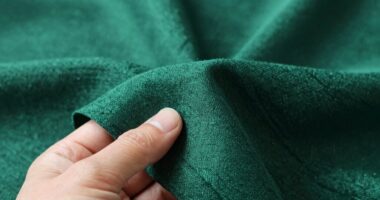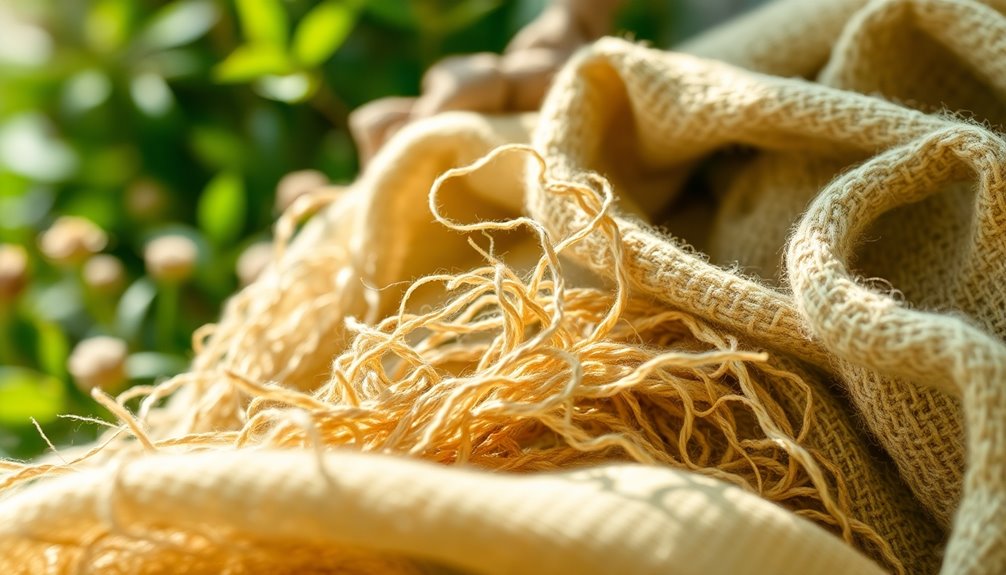

Sustainable fabrics like hemp and recycled cotton are changing the fashion landscape with their eco-friendly properties. They offer comfort and durability while being kind to the planet. Hemp grows fast and needs minimal resources, while recycled cotton minimizes waste by repurposing old materials. Embracing these fabrics means making conscious choices that positively impact our environment. If you’re curious about more sustainable options and their benefits, there’s plenty more to explore.

Get your wardrobe favorites delivered free with Prime
- Fast, free delivery on millions of items
- Prime Video, Amazon Music and more included
- Member-only deals all year
Key Takeaways
- Sustainable fabrics like hemp and recycled cotton offer eco-friendly alternatives that benefit both the environment and consumers.
- Hemp is highly sustainable, requiring minimal resources for growth and cultivating without harmful chemicals.
- Recycled cotton reduces textile waste by repurposing old materials, lessening the need for new cotton production.
- The closed-loop production process of lyocell minimizes waste and conserves energy, enhancing sustainability.
- Increased transparency in supply chains and clear labeling can guide consumers towards more sustainable fabric choices.
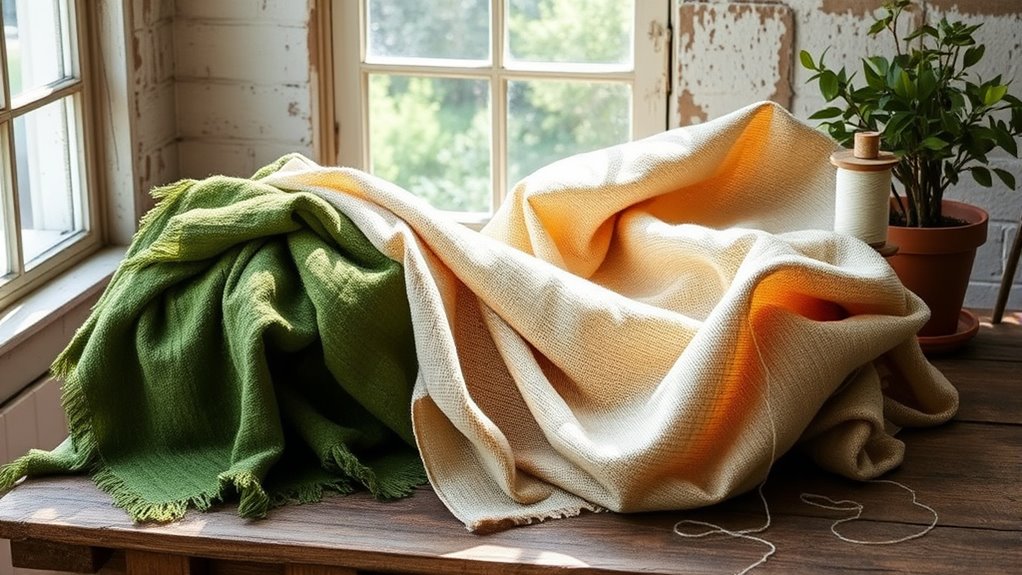
Sustainable fabrics are transforming the fashion industry, offering eco-friendly alternatives that benefit both the planet and consumers. When you choose sustainable fabrics like organic linen, hemp, bamboo, lyocell, or recycled cotton, you’re making a conscious decision to support environmentally friendly practices. Each of these materials has unique properties that contribute to sustainability. For instance, organic linen isn’t only breathable and comfortable but also cultivated without harmful chemicals.
Sustainable fabrics revolutionize fashion, offering eco-friendly choices that support a healthier planet and mindful consumerism.
Hemp, on the other hand, requires minimal resources to grow, making it one of the most sustainable options available. Bamboo is another rapidly renewable resource. It grows quickly and can be used for various applications, including fabrics and packaging. Lyocell, made from wood pulp, utilizes a closed-loop production process that minimizes waste and environmental impact. Recycled cotton, crafted from post-industrial and post-consumer waste, reduces the need for new cotton and helps keep textile waste out of landfills.
The production processes behind these fabrics further enhance their sustainability. Closed-loop systems, especially in lyocell production, effectively reduce waste while conserving energy. Organic farming practices for linen and hemp guarantee that fewer chemicals make their way into the environment. Recycling technologies convert old cotton into new fabrics, minimizing the need for new resources and reducing pollution.
Additionally, many sustainable fabrics are produced using chemical-free processes that prioritize the health of both the planet and the consumer. However, the journey toward widespread adoption of sustainable fabrics isn’t without challenges. Higher costs associated with organic and recycled materials can deter some consumers. There are also questions regarding the authenticity of sustainable fabric certifications, which can lead to confusion.
Balancing resource use with sustainability goals is essential, as is maintaining transparency throughout supply chains. The economic impact of sustainable fabric production is significant. It can create local jobs and drive market demand for eco-friendly products, contributing to economic growth. While the initial costs may be higher, the potential long-term savings from reduced environmental and health impacts make sustainable fabrics a wise investment.
As you become more aware of the benefits of sustainable fabrics, education and clear labeling will guide your purchasing decisions. Influencers are increasingly promoting sustainable fashion choices, helping to raise awareness and encourage feedback to improve sustainability efforts. By opting for sustainable fabrics, you’re not just dressing stylishly; you’re also making a positive impact on the world.
As an affiliate, we earn on qualifying purchases.
Frequently Asked Questions
Are Sustainable Fabrics More Expensive Than Conventional Fabrics?
Yes, sustainable fabrics are generally more expensive than conventional options.
You’ll find that they can cost two and a half to four times more, primarily due to complex production processes and stricter regulations.
However, consider the long-term benefits—these fabrics often last longer and have a lower environmental impact.
While the upfront costs may be higher, investing in sustainable materials can lead to savings over time and a healthier planet.
How Do I Care for Sustainable Fabrics?
To care for sustainable fabrics, you should wash them less frequently and always opt for cold water to save energy.
Use eco-friendly detergents and skip fabric softeners, as they can harm natural fibers.
Air drying is best for extending the life of your garments.
For specific fabrics, remember to follow any unique care instructions, like washing organic cotton inside out or hand washing TENCEL™ to keep it smooth and beautiful.
Are There Any Certifications for Sustainable Fabrics?
Yes, there are several certifications for sustainable fabrics that you should look for.
The Global Organic Textile Standard (GOTS) focuses on organic fibers, while Oeko-Tex 100 ascertains chemical safety.
Bluesign verifies sustainable manufacturing practices, and the Recycled Content Standard (RCS) certifies products made from recycled materials.
Additionally, Fair Trade Certification guarantees fair labor practices.
These certifications help you make informed choices about sustainable fabrics.
Can Sustainable Fabrics Be Used for Activewear?
Think of sustainable fabrics for activewear as a refreshing change in a crowded gym.
You’ll find materials like organic cotton and bamboo not only enhance your comfort but also support the planet.
Recycled polyester reduces waste while offering durability.
Plus, fabrics like merino wool regulate temperature, ensuring you stay dry during workouts.
Where Can I Buy Sustainable Fabric Products?
You can buy sustainable fabric products from various online retailers.
Check out Bibs & Boots Fabric for quality organic knits, or visit BULK HEMP WAREHOUSE for a range of hemp options.
Earth Indigo offers eco-friendly fabrics, while Core Fabrics features deadstock materials.
For a broader selection, Mood Fabrics has a variety of sustainable textiles.
If you’re looking for recycled fabrics, FAB SCRAP and FABCYCLE are excellent places to start.
Conclusion
As you embrace sustainable fabrics, think of each thread as a lifeline to our planet. Just like a tree sheltering diverse life, hemp and recycled cotton weave a future where fashion nurtures rather than harms. By choosing these eco-friendly materials, you’re planting seeds of change, allowing the earth to flourish. So, wear your values proudly—each garment becomes a symbol of hope, connecting you to a community committed to protecting our environment for generations to come.
Halloween Picks
halloween
As an affiliate, we earn on qualifying purchases.