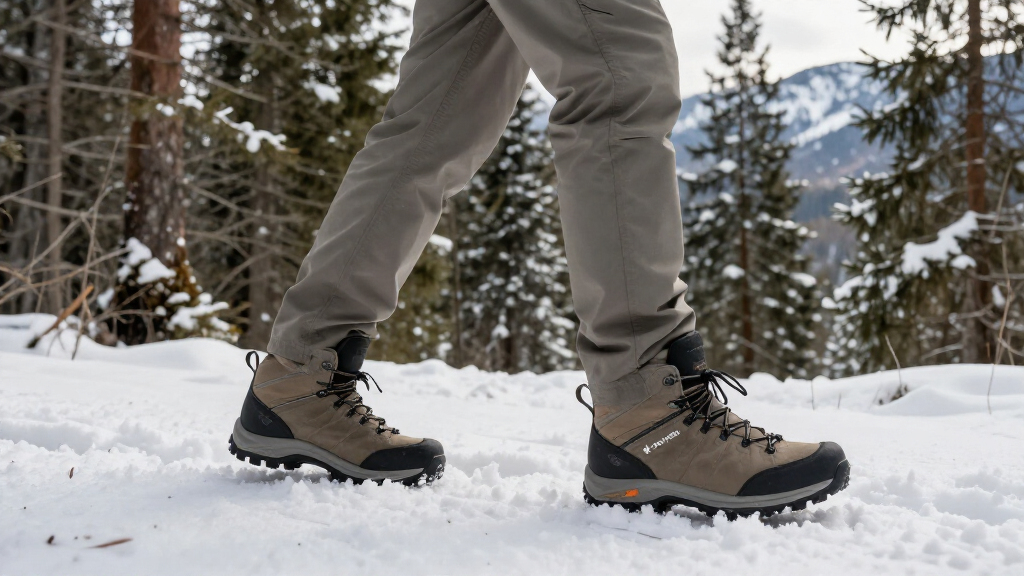

When it comes to winter footwear designed for outdoor adventures and everyday warmth, Snow Peak offers a range of options that cater to different needs. If you’re looking for barefoot-style protection with natural movement, the Snug Boot Winter Barefoot Boots stand out for their flexible sole and cozy lining. For those prioritizing foot health and waterproof comfort, the Peak Footwear Frost Flow provides a supportive, ultra-thin sole experience. Meanwhile, if hiking stability and durability matter most, the Altra Men’s Lone Peak 9 Waterproof Mid balances comfort with trail-ready features. Each choice comes with tradeoffs—whether it’s style, weight, or fit—that influence who each product is best suited for.
Key Takeaways
- Barefoot-style boots like the Snug Boot prioritize natural movement and comfort, but may lack formal style and detailed waterproof testing.
- Peak Footwear Frost Flow excels for foot health and wet conditions, though it has a steeper adjustment curve for new users.
- Altra Lone Peak 9 is ideal for hikers needing stability and durability but may be heavier and less breathable in hot weather.
- All options emphasize waterproofing and flexible soles, but each differs in style, weight, and intended activity.
- Choosing the right shoe depends on your specific winter activity, foot health needs, and style preferences.
| Snug Boot Winter Barefoot Boots – Waterproof, Non-Slip Traction, Cozy Fur Lined Warm Snow Boots with Wide Toe Box & Zero-Drop Sole |  | Best Overall Barefoot Winter Boot | Sole Material: Rubber | Shaft Height: Ankle | Shaft Circumference: 10.5 inches | VIEW LATEST PRICE | See Our Full Breakdown |
| Peak Footwear Frost Flow – Non-Slip Waterproof Orthopedic Winter Barefoot Shoes for Men and Women |  | Best Supportive Barefoot Winter Shoe | Sole Material: Rubber | Outer Material: Rubber | Inner Material: Synthetic Fabric | VIEW LATEST PRICE | See Our Full Breakdown |
| Altra Men’s Lone Peak 9 Waterproof Mid Hiking Shoe |  | Best Trail-Ready Winter Hiking Shoe | Origin: Imported | Sole Material: Rubber | Outer Material: Mesh | VIEW LATEST PRICE | See Our Full Breakdown |
| Snow Peak shoe | Sole Material | Outer Material | Inner Material |
|---|---|---|---|
| Snug Boot Winter Barefoot Boot | Rubber | Breathable Fabric | — |
| Peak Footwear Frost Flow | Rubber | Rubber | Synthetic Fabric |
| Altra Men’s Lone Peak 9 Waterp | Rubber | Mesh | Polyester |
More Details on Our Top Picks
Snug Boot Winter Barefoot Boots – Waterproof, Non-Slip Traction, Cozy Fur Lined Warm Snow Boots with Wide Toe Box & Zero-Drop Sole
The Snug Boot stands out for its barefoot-inspired design, offering a flexible, zero-drop sole that promotes natural foot movement. Its wide toe box enhances comfort over long wear, making it ideal for outdoor winter activities where foot health is a priority. Compared with the Altra hiking shoe, it provides a more casual, easy-to-wear option, though it may lack some of the rugged durability needed for intense hiking. The non-slip outsole and warm lining make it suitable for icy streets or light snow, but there’s limited information on waterproof durability against heavy or prolonged moisture exposure.
Pros:- Flexible sole supports natural ground feel and movement
- Wide toe box for all-day comfort
- Warm lining suitable for cold weather
- Non-slip outsole provides good grip on wet or icy surfaces
Cons:- Minimal style details may not appeal to all
- Limited waterproof testing info
- Unisex sizing may require careful fit adjustment
Best for: Casual outdoor winter wear, light snow, and everyday warmth
Not ideal for: Heavy-duty hiking or extreme winter conditions requiring more insulation
- Sole Material:Rubber
- Shaft Height:Ankle
- Shaft Circumference:10.5 inches
- Outer Material:Breathable Fabric
Our verdict“A versatile barefoot-style boot perfect for casual winter days, trading off some waterproof assurance for comfort and natural movement.”
Peak Footwear Frost Flow – Non-Slip Waterproof Orthopedic Winter Barefoot Shoes for Men and Women
The Frost Flow shoes by Peak Footwear elevate barefoot design with ultra-thin, flexible soles that support natural foot motion. They excel at maintaining foot health with a wide toe box and orthopedic support, making them a smart choice for those who suffer from foot or joint issues. Their waterproof and breathable outer layer keeps feet dry in wet snow, though they may take some time to break in, especially for new users. Compared to the Altra Lone Peak, these shoes offer a closer-to-ground feel and a more barefoot experience, but they lack the durability and ruggedness for serious trail adventures in extreme cold.
Pros:- Supports natural barefoot experience with ultra-thin, flexible sole
- Orthopedic support promotes healthy foot posture
- Waterproof and breathable for cold, wet environments
- Wide toe box enhances comfort and foot health
Cons:- Adjustment period needed for new users
- Limited style options for dressier occasions
- Not designed for extreme winter conditions without added insulation
Best for: Foot health-conscious winter outdoor use, light snow, and wet conditions
Not ideal for: Severe winter weather or formal occasions requiring style variety
- Sole Material:Rubber
- Outer Material:Rubber
- Inner Material:Synthetic Fabric
- Closure Type:Lace-Up
- Features:Non-slip, Waterproof, Orthopedic support, Wide toe box, Ultra-thin sole, Flexible design
Our verdict“A highly supportive barefoot shoe that prioritizes foot health and waterproofing, best suited for moderate winter outdoor activities.”
Altra Men’s Lone Peak 9 Waterproof Mid Hiking Shoe
The Lone Peak 9 combines trail durability with waterproof protection, making it ideal for hikers who need stability and comfort in winter terrain. Its FootShape toe box promotes proper toe spreading, enhancing comfort during long hikes, while the energy-returning foam adds responsiveness on uneven ground. Compared to barefoot models, it offers more support and protection, but this extra weight and less breathability might be less appealing in warmer conditions. It’s best suited for those who prioritize ruggedness and trail performance over barefoot feel.
Pros:- FootShape toe box for natural toe positioning
- Stable fit for secure lacing
- Energy-returning foam boosts responsiveness
- Waterproof and durable for tough terrain
Cons:- Less breathable for hot weather
- Potentially heavier than lightweight trail shoes
- May feel bulky for casual use
Best for: Winter hiking, trail stability, and extended outdoor adventures
Not ideal for: Urban use or casual wear, especially if weight or breathability are concerns
- Origin:Imported
- Sole Material:Rubber
- Outer Material:Mesh
- Inner Material:Polyester
Our verdict“A solid choice for winter hikers seeking durability and comfort, though it sacrifices some breathability compared to barefoot models.”
How We Picked
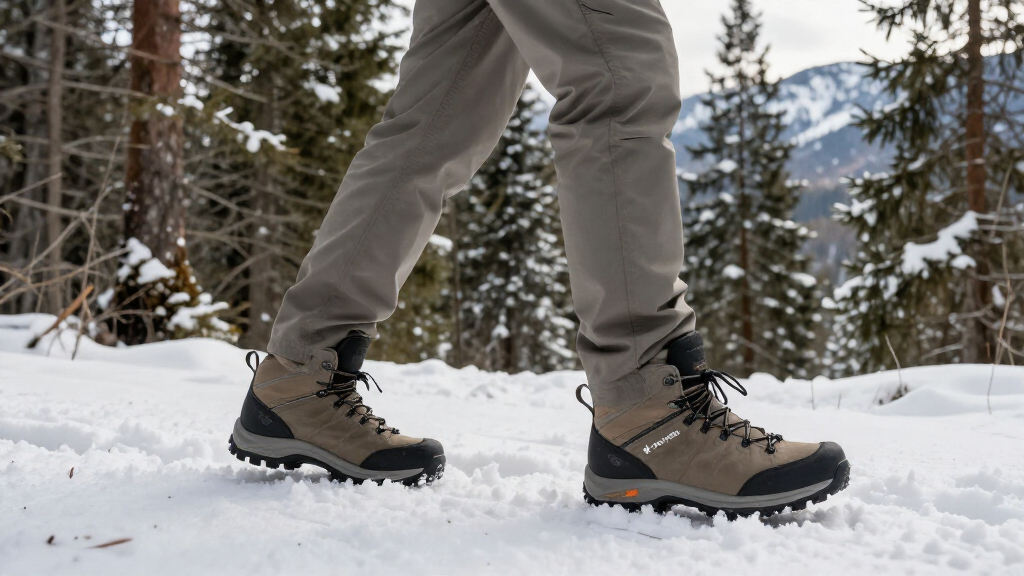
Our selection process focused on shoes that embody Snow Peak’s outdoor, minimalist, and functional ethos. We evaluated each model for its core strengths—whether that’s barefoot feel, waterproof performance, or trail durability—and considered their suitability for winter conditions. We compared features like sole flexibility, waterproofing, fit, and overall comfort, ensuring each option offers a clear role in a winter wardrobe. Tradeoffs such as weight, style, and ease of use were carefully weighed to match different buyer needs.
| Snow Peak shoe | Outer Material | Inner Material |
|---|---|---|
| Snug Boot Winter Barefoot Boot | Breathable Fabric | — |
| Peak Footwear Frost Flow | Rubber | Synthetic Fabric |
| Altra Men’s Lone Peak 9 Waterp | Mesh | Polyester |
Factors to Consider When Choosing Best Snow Peak Shoes
Selecting the best Snow Peak shoes depends on understanding your primary outdoor activities and foot health needs. Whether you want barefoot freedom, waterproof support, or hiking durability, each feature influences your overall experience. Comfort, waterproofing, sole flexibility, and intended use should guide your decision, along with considerations like weight, style, and adaptability to winter conditions.
Barefoot and Natural Movement
If maintaining a barefoot feel and promoting foot health are your priorities, look for shoes with ultra-thin, flexible soles and wide toe boxes. These models support natural gait and can reduce joint stress, but often come with a tradeoff in waterproofing and style options. The Snug Boot and Frost Flow are prime examples, each suited for casual or moderate outdoor use.
Waterproof and Cold-Weather Performance
For wet, snowy conditions, waterproofing is essential. Shoes like the Frost Flow and Lone Peak 9 excel at keeping feet dry, but they may be heavier and less flexible than barefoot models. Consider how much insulation you need—if temperatures drop significantly, additional layering or insulation might be necessary beyond these shoes’ built-in features.
Trail and Hiking Durability
When tackling rugged winter trails, durability and stability matter most. The Lone Peak 9 offers a sturdy build, reliable grip, and support for uneven terrain. However, this added robustness increases weight and reduces breathability. For lighter, more flexible options, barefoot-style shoes like the Frost Flow deliver comfort but lack maximum trail protection.
Frequently Asked Questions
Are barefoot shoes suitable for winter conditions?
Barefoot shoes can be suitable for winter if they feature waterproofing, insulation, and slip-resistant soles. They support natural foot movement and can be comfortable on snow or ice, but they often lack significant insulation, so layering or choosing models with warm linings is recommended for very cold weather.
How important is waterproofing in winter shoes?
Waterproofing is crucial in winter shoes to keep your feet dry and prevent frostbite or discomfort. Shoes with waterproof membranes or sealed outer layers help maintain warmth and prevent moisture from seeping in during snow, slush, or rain, extending the effective use of your footwear in harsh conditions.
Can barefoot shoes provide enough support for hiking?
Barefoot shoes like the Frost Flow can support healthy foot mechanics and reduce joint stress, but they may lack the stability and protection needed for technical or challenging winter hikes. For demanding terrain, shoes with added support and a more rugged sole, like the Lone Peak 9, are often more appropriate.
What should I consider when choosing winter hiking shoes?
Key factors include waterproofing, sole grip, support, weight, and insulation. You should also think about the terrain you’ll encounter and your comfort preferences. Heavier shoes offer more protection but may reduce agility, while lighter barefoot options provide flexibility but less insulation and support.
How do I choose the right size for barefoot shoes?
Proper fit is essential for barefoot shoes to prevent blisters and ensure comfort. Since these shoes often feature a wide toe box, you may need to size up slightly if your toes tend to be snug in traditional footwear. Always check sizing charts carefully and consider trying on shoes at the end of the day when your feet are most swollen.
Conclusion
If you prioritize casual winter outings and foot comfort, the Snug Boot is your best fit, offering natural movement and warmth. For those with foot health concerns who want waterproof protection, the Peak Frost Flow provides orthopedic support in a barefoot design. Hikers and outdoor enthusiasts needing rugged durability and stability should opt for the Altra Lone Peak 9, which balances support with weather resistance. Your choice depends on your activity level, foot health needs, and style preferences—each offers a unique approach to winter footwear.