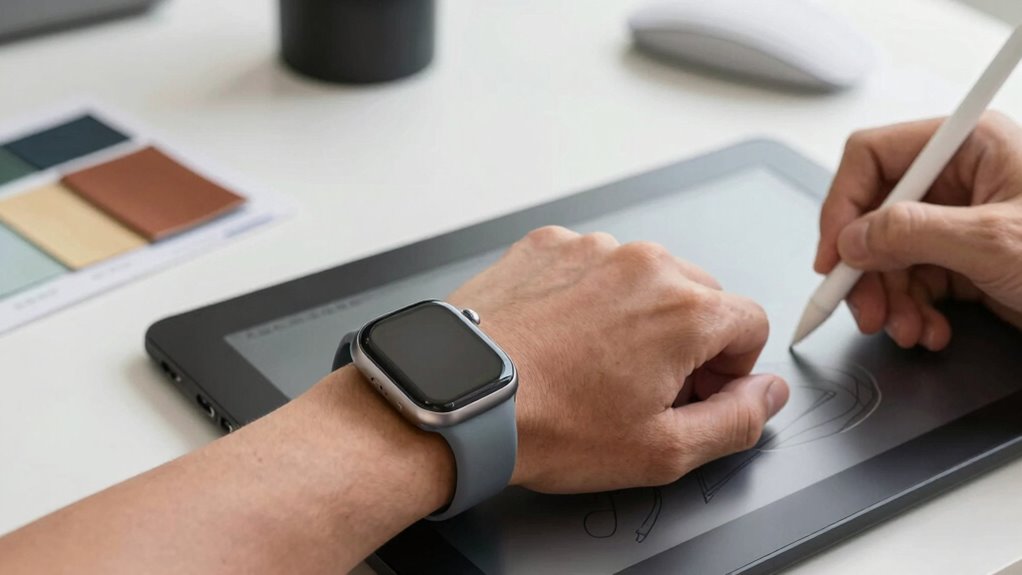

You need better design thinking for wearable tech because it affects both how functional and attractive the devices are. When designs prioritize comfort, they become easier to wear all day, while intuitive interfaces make them simple to use. Choosing the right materials guarantees long-term comfort and adaptability. By focusing on aesthetics and well-being, you’ll create devices that seamlessly fit into daily life and support health. Keep exploring to discover how improved design can transform your wearable experience.
Key Takeaways
- Improved design enhances comfort and wearability, encouraging consistent use and long-term user engagement.
- Aesthetic appeal and seamless integration foster positive user perception and acceptance of wearable devices.
- Intuitive, user-centered design ensures accessibility and effortless interaction, reducing frustration and increasing satisfaction.
- Thoughtful material selection promotes health, comfort, and adaptability across diverse environments.
- Holistic design focuses on well-being, supporting users’ physical and mental health through innovative features.
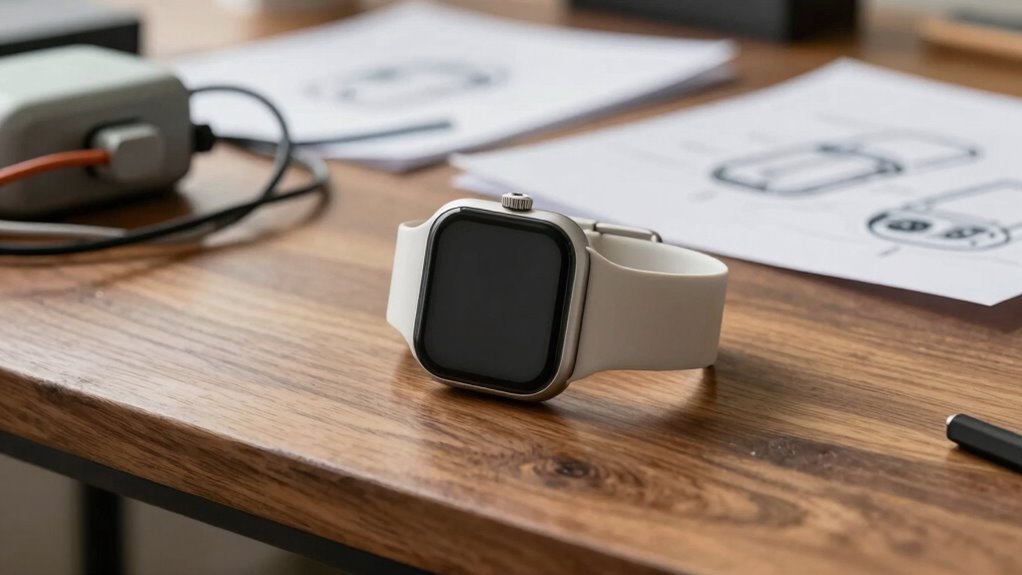
Have you ever wondered what makes wearable tech not just functional but also stylish and comfortable? The answer lies in thoughtful design that balances utility with aesthetic appeal. When you wear a device, it’s not just about what it does; it’s about how it makes you feel and how seamlessly it integrates into your daily life. A well-designed piece of wearable tech enhances your user experience by being intuitive, unobtrusive, and visually pleasing. If the device looks bulky or feels uncomfortable, you’re less likely to wear it consistently, defeating its purpose. On the other hand, when design considers comfort and style, it becomes an extension of your personal expression rather than just a gadget. Incorporating Free Floating design principles can help create more versatile and adaptable wearable devices that suit various environments and activities. Additionally, understanding how sound vibrations influence human health can inspire more holistic designs that promote well-being through integrated features. Good design thinking puts the user experience front and center. It’s about understanding your needs and preferences, then translating that insight into a product that feels natural to use. This involves not only aesthetics but also considering the ergonomics of the device to ensure long-term comfort. Incorporating lightweight materials can further enhance comfort and reduce fatigue, encouraging more consistent use. Selecting skin-friendly materials that are breathable and non-irritating can also make a significant difference in daily comfort. When a device fits well and feels good, you’re more likely to wear it regularly, which maximizes its benefits. In this way, aesthetic appeal isn’t just superficial; it’s a critical factor that directly influences how often and how comfortably you wear your device.

Health Smart Bracelet, Activity & Fitness Trackers/SpO2/ Heart Rate/Blood Pressure/Sleep Stress/IP68 Waterproof for120 Sport Modes,Automatic Monitoring Wearable Fitness Tracker Comes with Free App
- Continuous Health Monitoring: Tracks heart rate, blood pressure, SpO2, and HRV
- Over 120 Exercise Modes: Includes running, swimming, yoga, cycling, and more
- Real-Time GPS Tracking: Supports outdoor walking, running, cycling with map view
As an affiliate, we earn on qualifying purchases.
As an affiliate, we earn on qualifying purchases.
Frequently Asked Questions
How Can Design Thinking Improve User Engagement With Wearable Tech?
Design thinking can boost your engagement with wearable tech by focusing on user motivation and emotional connection. When designers empathize with your needs and preferences, they create devices that truly resonate with you. By embedding meaningful features and intuitive interfaces, wearable tech becomes more enjoyable and motivating to use. This approach fosters a stronger emotional bond, encouraging consistent use and making the technology feel like a natural extension of your lifestyle.
What Are Common Design Pitfalls in Current Wearable Devices?
Like Icarus flying too close to the sun, many wearable devices soar with promise but fall short in key areas. Common pitfalls include poor sensor accuracy, which undermines trust, and limited battery life, causing frustration. These issues stem from neglecting user needs and technical constraints. To rise above, designers must balance innovation with practicality, ensuring devices are both reliable and long-lasting, much like a well-crafted myth that endures.
How Does Ergonomic Design Influence Wearable Tech Adoption?
Ergonomic design greatly influences your willingness to adopt wearable tech. When devices prioritize ergonomic comfort and fit optimization, they feel natural and unobtrusive, encouraging consistent use. If a device fits well and feels comfortable, you’re less likely to experience discomfort or fatigue, making it easier to incorporate into your daily routine. Good ergonomic design fosters a positive user experience, increasing the chances you’ll stick with the technology long-term.
What Role Does Aesthetics Play in Wearable Tech Usability?
Imagine it’s the Renaissance, and aesthetics are everything. In wearable tech, visual appeal profoundly impacts usability because it influences your desire to wear it daily. Material selection plays a key role too, ensuring comfort and durability while enhancing design. When these elements harmonize, your experience becomes seamless. A sleek, attractive device encourages consistent use, making aesthetics a fundamental factor in wearable tech adoption and overall user satisfaction.
How Can Wearable Tech Design Be More Inclusive for Diverse Users?
You can make wearable tech more inclusive by prioritizing cultural sensitivity and accommodating diverse body types. This means involving diverse user groups during design, ensuring features respect different cultural norms, and creating adjustable, adaptable products. By listening to varied perspectives, you’ll develop devices that fit and function well for everyone, fostering broader acceptance. Ultimately, inclusive design helps break barriers, making wearable tech accessible, comfortable, and relevant for all users.
Conclusion
You wear your tech every day, yet often forget it’s there. Better design makes it seamless, intuitive, almost invisible—like a trusted companion rather than an awkward gadget. When form meets function effortlessly, you forget the device exists; it simply works with you. Without thoughtful design, wearables become distractions rather than tools. So, prioritize empathy and innovation. Because in the end, a well-designed wearable isn’t just used—it’s experienced, felt, and truly integrated into your life.