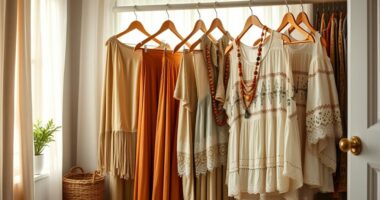
To spot quality in second-hand treasures, focus on recognizing authentic labels and understanding their history. Check materials for genuine fabrics and solid craftsmanship, avoiding synthetic blends or flimsy construction. Look for signs of true aging like natural patina or minor imperfections, not artificial distressing. Evaluate colors for authenticity and assess overall condition to ensure the piece’s value. Mastering these skills will help you identify standout finds—keep exploring to sharpen your eye even further.
Key Takeaways
- Recognize iconic vintage labels to verify authenticity and assess the item’s origin and desirability.
- Examine fabric tags and craftsmanship for genuine materials like wool, silk, or solid wood.
- Look for signs of real aging such as patina, discoloration, and minor imperfections that indicate authenticity.
- Research brand reputations and labels to identify high-quality or sought-after vintage items.
- Assess color accuracy and overall condition to ensure the item maintains its original appeal and value.

If you’re looking to find unique items at a fraction of their original price, second-hand treasure spotting is a skill worth mastering. When you’re browsing through thrift stores, flea markets, or online marketplaces, it’s essential to develop an eye for quality. One of the first things to consider is the vintage labels. Labels can tell you a lot about an item’s age, origin, and brand reputation. Recognizing vintage labels helps you determine whether an item is genuinely old or just a modern reproduction. Some labels are iconic and easily recognizable, while others may require a little research. By becoming familiar with these labels, you can quickly assess if the piece is worth considering or if it’s a mass-produced imitation.
Material authenticity is equally important in evaluating second-hand treasures. You want to make sure that the item is made from quality materials, not just looks good on the surface. For clothing, check the fabric tags for fiber content—like wool, silk, or leather—rather than synthetic blends that may have been altered or added later. For furniture or decorative items, examine the craftsmanship and the materials used. Solid wood, genuine metal hardware, and authentic glass are indicators of durability and value. Avoid items with flimsy construction or suspect materials, as these are likely to be less durable or even damaged.
As you inspect items, pay close attention to wear and signs of aging. Genuine vintage pieces often show some patina, slight discoloration, or minor imperfections that attest to their age. These signs of authenticity can enhance the item’s character and value. Conversely, overly perfect or pristine items might be newer reproductions or heavily restored, which could diminish their originality and worth. Learning to distinguish between authentic aging and artificial distressing is key to making smart purchases.
Another tip is to research brands and designers, especially when you spot vintage labels on clothing or accessories. Knowing the history and reputation of certain labels helps you judge whether the item is a worthwhile find. Keep a small guide or app handy for quick reference. Over time, you’ll develop an intuition for spotting quality pieces quickly, saving you time and money. Additionally, understanding color accuracy in vintage items can help you assess how true the colors are to their original state, which is vital for both aesthetic and value considerations.
In the end, mindful thrifting is about balancing instinct with knowledge. By paying attention to vintage labels and material authenticity, you guarantee that your second-hand treasures are not just affordable but also genuine, durable, and truly special. Developing this skill makes each find more rewarding and ensures that your collection or wardrobe will stand the test of time.
Frequently Asked Questions
How Can I Determine the True Value of Vintage Items?
To determine the true value of vintage items, you should start with appraisal techniques like examining the item’s condition, rarity, and provenance. Then, do a thorough price comparison by checking similar items online or at shops. Consider consulting experts or guides for accurate appraisals. By combining these methods, you’ll gain a clear understanding of an item’s worth, helping you make confident purchasing decisions.
What Signs Indicate a High-Quality Second-Hand Garment?
Did you know that well-made second-hand garments can last up to 50% longer? To spot high quality, check the fabric feel—soft, durable fabrics often indicate better craftsmanship. Examine the stitching quality; tight, even stitches show care and durability. Look for minimal signs of wear, like loose threads or fading. These signs help you identify garments that offer both style and longevity, making your thrifting smarter and more satisfying.
Are There Specific Brands Known for Durability in Thrift Stores?
When looking for durable brands in thrift stores, focus on brand reputation and material quality. Brands like Patagonia, LL Bean, and Levi’s are known for their longevity. You can spot these by checking labels and inspecting fabric. Trust reputable brands because they prioritize high-quality materials and craftsmanship, ensuring your thrifted finds last longer. Remember, a strong brand reputation often indicates better durability and value in second-hand garments.
How Do I Identify Authentic Vintage Accessories?
To identify authentic vintage accessories, start with authentication tips like examining logos, stamps, and craftsmanship details closely. Look for signs of vintage care, such as age-appropriate patina or wear, which indicate genuine age. Research the brand’s signature features to spot fakes. Trust your intuition, and if something feels off, verify with reputable sources or experts. Authentic vintage accessories have unique charm that’s worth the effort to find.
What Tools or Apps Assist in Assessing Second-Hand Item Quality?
When evaluating second-hand item quality, you can use helpful tools and apps to make informed decisions. Check out app reviews for reliable options like eBay, Poshmark, or Depop, which often include buyer ratings and detailed listings. Online marketplaces also offer buyer feedback and seller reputation scores, helping you spot quality and authenticity more easily. These tools streamline your thrifting process, ensuring you find high-quality treasures with confidence.
Conclusion
As you explore into the world of second-hand treasures, remember that each item is a symbol of stories untold and futures yet to be written. Your mindful choices turn these relics into more than just possessions—they become tokens of sustainability and personal history. By spotting quality with care, you’re not only enriching your life but also nurturing the cycle of renewal. Embrace each find as a key that opens a world of meaning and mindful connection.